High Pressure vs Chemical Washing: What Really Works?
For homes and businesses in Lismore, the best exterior cleaning method depends on the surface and the type of contamination. High-pressure washing removes dirt through mechanical force, while chemical washing uses cleaning products to loosen or treat contamination. Neither method is right for every job, and a controlled combination often delivers the best result.
When High-Pressure Washing Works Best
Pressure washing is effective on sound, durable surfaces such as concrete driveways, paths and some unpainted masonry. It removes accumulated dirt, mud and loose surface growth, often with less scrubbing than manual cleaning.
However, more pressure does not automatically mean a better clean. Excessive pressure or a nozzle held too close can etch concrete, strip paint, damage timber and force water behind cladding. Older concrete, exposed aggregate and deteriorating mortar require particular care.
Ask for a small test patch before cleaning begins. The operator should adjust pressure, nozzle selection and working distance to suit the material rather than use one setting everywhere.
When Chemical Washing Is More Effective
Chemical washing uses a product selected for the stain or growth being treated. Soft washing commonly combines an appropriate cleaning solution with low-pressure application and rinsing, making it useful for many painted exteriors and other pressure-sensitive surfaces.
Lismore’s humid conditions encourage algae, mould and other biological growth on shaded exterior surfaces. Suitable treatments can address this growth more effectively than water pressure alone, although regrowth remains possible where moisture and shade persist.
Different stains need different treatments. Oil may require a degreaser, while rust or mineral deposits need a compatible specialist cleaner. There is no single chemical that safely cleans every surface. Products must be used according to their labels, with attention to surface compatibility, dilution and contact time.
Which Method Should You Choose?
- Concrete driveways and paths: Controlled pressure washing often works well, with targeted pretreatment for oil or biological growth.
- Painted walls and cladding: A suitable low-pressure cleaning process generally reduces the risk of coating damage and water intrusion.
- Timber decks: Use timber-compatible products and restrained pressure to avoid raising fibres or gouging boards.
- Roofs: Follow the roofing manufacturer’s cleaning guidance. High pressure can damage roofing materials and coatings.
Older Lismore properties may contain asbestos cement roofing or cladding. Never use high-pressure water on asbestos-containing materials. If a https://pressurecleaninglismore.com.au/deck-cleaning/ surface may contain asbestos, arrange an assessment before cleaning.
Protect Gardens, Drains and Nearby Waterways
Both methods create wastewater. Even cleaning with water alone can carry sediment, paint particles, oil and other pollutants into drains. In NSW, allowing polluted wash water to enter stormwater can breach environmental laws.
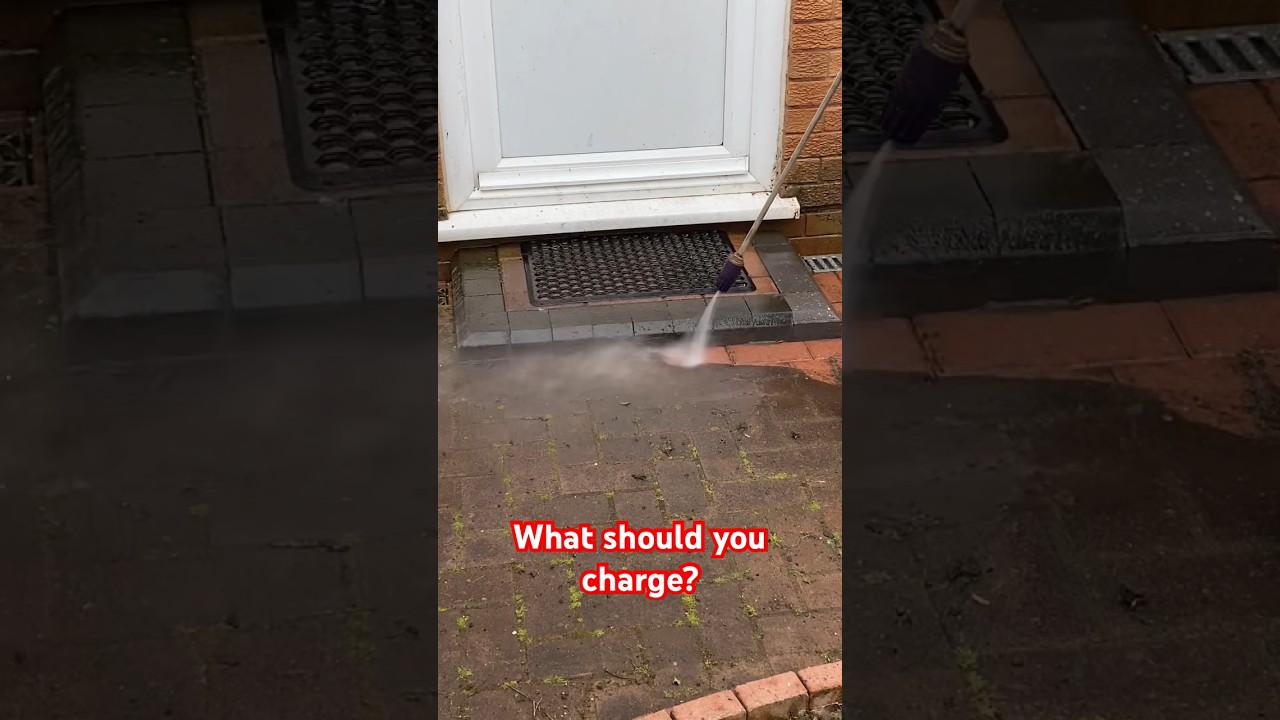
Before work starts, ask how runoff will be contained, collected and disposed of appropriately. Plants, outdoor electrical fittings and nearby property also need protection. Never mix cleaning chemicals, particularly chlorine-based products with acids or ammonia.
The Best Result Starts With a Surface Assessment
For Lismore properties, effective exterior cleaning is about choosing the least aggressive method that achieves the required result. Ask your cleaning provider to identify the surface, explain the proposed treatment and outline runoff controls. A tailored approach helps remove contamination without trading a cleaner appearance for avoidable damage.
Lismore Pressure Cleaning
(02) 6617 2969